Comfort Dental
Getting the Affordable Braces Aurora Loves: How Long Does Orthodontic Treatment Take?
Read more →
September 24, 2026

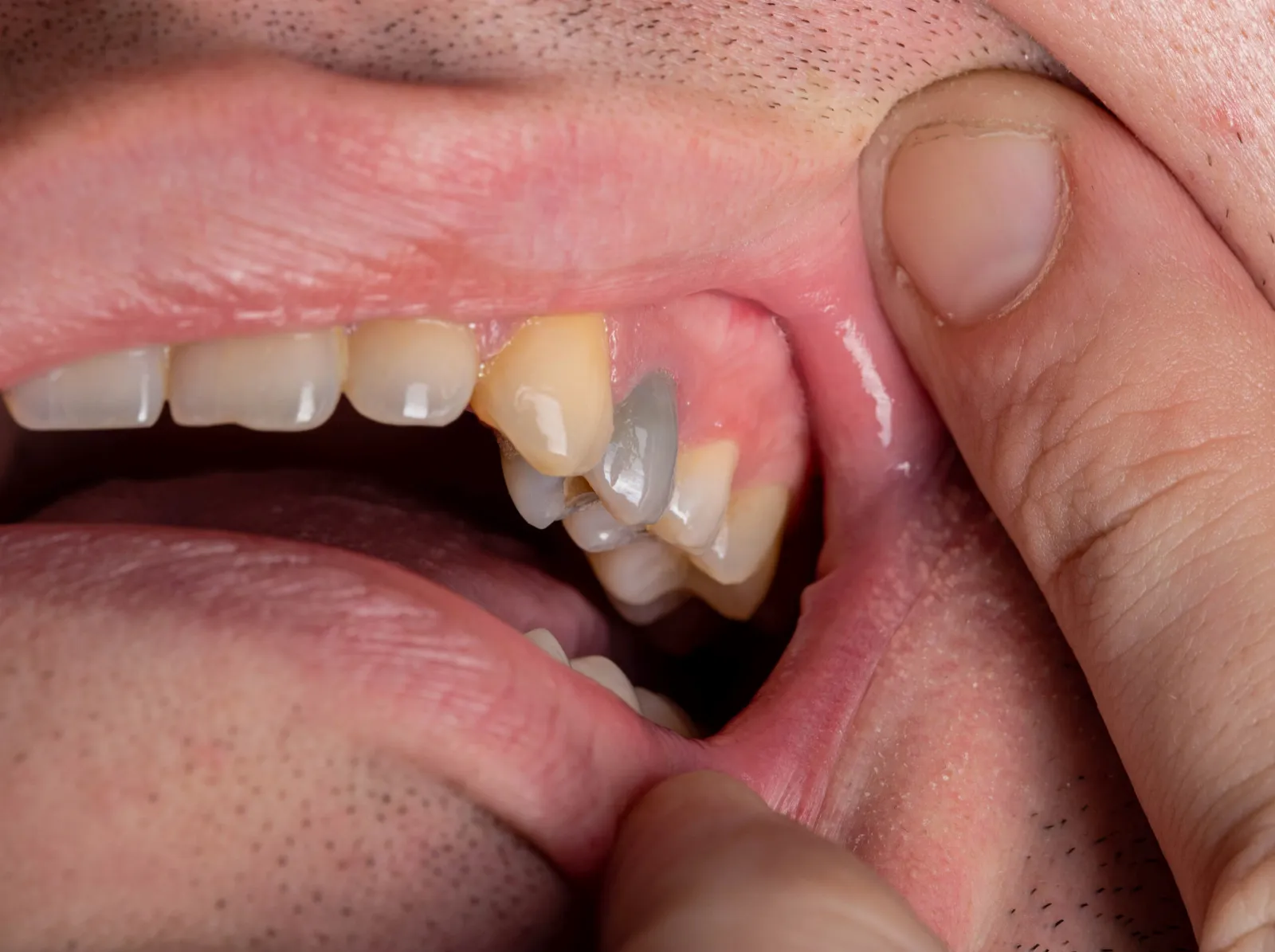
If you have noticed a darker tooth in the mirror lately, you are not alone, and you are not imagining things. Tooth discoloration that shows up on just one tooth, rather than your whole smile, is often a sign that something is happening inside the tooth itself. If you have been searching "Albuquerque dentist near me" trying to figure out what is going on, this guide will walk you through the most common causes of a darker tooth and what treatment usually looks like at Comfort Dental.
A darker tooth is different from the gradual yellowing that comes with age or coffee habits. When one single tooth changes color while the rest of your smile stays the same shade, the cause is usually internal. Here are the most frequent culprits:
Trauma or injury: A sports injury, fall, or hard bite down on something can damage the blood vessels and nerve tissue inside a tooth, causing it to darken over weeks or months.
Nerve death (pulp necrosis): When the nerve inside a tooth dies, whether from trauma or untreated decay, the tooth often turns gray, brown, or even black.
Deep decay: Advanced cavities that reach the inner pulp of the tooth can cause internal staining that shows up as a darker tooth.
Old dental work: Silver amalgam fillings or old root canal materials can sometimes cause a grayish tint to develop in the tooth over time.
Root resorption: In rarer cases, internal resorption of the tooth structure can cause a pink or dark discoloration.
Whatever the cause, a darker tooth is worth getting checked out. Discoloration limited to a single tooth is frequently a signal that the nerve inside has been damaged or has died, and that is something a home whitening kit will never fix.
When a darker tooth is caused by a damaged or dying nerve, the most effective way to address both the health of the tooth and its appearance is endodontic treatment, more commonly known as root canal therapy. During this procedure, our dentists remove the damaged or infected nerve tissue from inside the tooth, clean out the canal, and seal it to prevent further infection.
Root canal therapy has a reputation for being uncomfortable, but modern techniques and anesthesia have made the procedure far more comfortable than most patients expect. The goal is to relieve pain, stop infection from spreading, and save your natural tooth rather than extracting it.
It is important to understand that endodontic treatment alone does not always restore the tooth's original color. Once the nerve tissue is removed, the tooth may still appear grayish or dull. In many cases, our dentists will recommend an internal whitening technique or a crown to restore a more natural appearance once the infection has been addressed. The priority, though, is always resolving the underlying issue first. A darker tooth that is ignored can lead to worsening infection, abscess formation, and eventually tooth loss.
If you come in with a darker tooth, our team will start with a thorough dental exam, including digital X-rays, to determine exactly what is happening beneath the surface. X-rays allow our dentists to see whether there is infection at the root tip, bone loss around the tooth, or other damage that is not visible to the naked eye.
From there, we will walk you through your options and explain what endodontic treatment would involve for your specific situation. Every mouth is different, and a darker tooth caused by an old filling will be treated differently than one caused by a recent injury.
We know that unexpected dental issues are stressful, especially when cost is a concern. That is part of why we offer affordable dental exams for new and existing patients, so getting a professional opinion on your darker tooth does not have to break the bank. We also understand that dental problems do not wait for convenient hours, which is why we are open late on weekdays to fit into busy Albuquerque schedules.
A darker tooth rarely gets better on its own, and the longer an infected or dying nerve goes untreated, the more likely you are to experience pain, swelling, or the eventual loss of the tooth. If you have been putting off finding an Albuquerque dentist near me because you were not sure what a darker tooth meant, now is a good time to get it looked at.
Our Cottonwood office is here to help, with three experienced dentists, digital diagnostic tools, and flexible hours built around your schedule. Call (505) 890-2773 to schedule your exam, or request an appointment online today.
The content on this blog is not intended to be a substitute for professional medical advice, diagnosis, or treatment. Always seek the advice of qualified health providers with questions you may have regarding medical conditions.
Comfort Dental
Read more →
September 24, 2026
Comfort Dental
Read more →
September 10, 2026

Comfort Dental
Read more →
September 3, 2026